The oil and gas sector is undergoing a profound shift toward digitalization, with digital oilfields leading the way. By leveraging advanced technologies like IoT sensors, AI-driven data analytics, and automation, these oilfields are reshaping how companies explore, extract, and produce oil and gas.
The move toward digital oilfields is driving major improvements in efficiency, cost reduction, and operational agility, marking a turning point in the industry.
What is a digital oilfield?
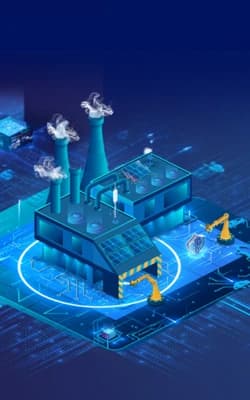
At its core, a digital oilfield is a fully integrated, technology-driven system that connects the physical oilfield infrastructure with digital capabilities. The system continuously collects data from wells, pipelines, and production equipment, which is analyzed in real time to provide insights for better decision-making.
This data-driven approach helps companies optimize their processes, improve safety, and minimize operational costs. It provides an intelligent and connected ecosystem where automation, real-time monitoring, and predictive insights work together to enhance overall performance.
Revolutionizing exploration
Exploration is traditionally a costly and risky endeavor, but digital oilfields are minimizing these risks by offering:
- Enhanced seismic imaging: AI-powered seismic analysis tools are transforming how companies explore for oil and gas. By processing and interpreting seismic data with greater accuracy, these tools help geologists make more informed decisions, reducing the likelihood of drilling dry wells.
- Real-time data access: advanced sensors and IoT devices allow exploration teams to gather real-time data from the field, enabling immediate adjustments to exploration strategies.
- Remote operations: the ability to remotely monitor exploration activities reduces the need for continuous on-site personnel, which is especially beneficial in remote or harsh environments.
Optimizing production
Once oil and gas production begins, digital oilfields continue to deliver value by streamlining operations and improving production efficiency:
- Predictive maintenance: equipment breakdowns can cause significant downtime, but digital oilfields use predictive algorithms to anticipate when machinery will need maintenance.
- Automation in drilling and production: automated systems now handle many of the routine and hazardous tasks in drilling and production, significantly improving operational safety and consistency.
- Production optimization: by analyzing data from wells and production facilities, digital systems can dynamically adjust settings — such as pressure and flow rates — to optimize recovery and extend the life of reservoirs.
Environmental benefits
- Lower emissions: by using real-time data to optimize production processes, companies can significantly reduce flaring and venting, which helps lower greenhouse gas emissions.
- Less environmental waste: with smarter resource management, digital oilfields can reduce waste associated with drilling and extraction, leading to a smaller environmental footprint.
Data-driven operations: the future of oil and gas
The rise of digital oilfields marks a significant shift toward data-centric operations in the oil and gas industry. By tapping into vast amounts of data and leveraging advanced technologies, companies are transforming how they approach exploration and production. Real-time data, predictive analytics, and automation are no longer optional — they are the future of oil and gas.
As the industry adapts to evolving global energy demands, digital oilfields will play a pivotal role in ensuring that operations are not only more efficient but also more sustainable and cost-effective.