
Product system
DMS3000 Drilling Monitoring System
Delivering spontaneous and precise systems for hassle-free operations
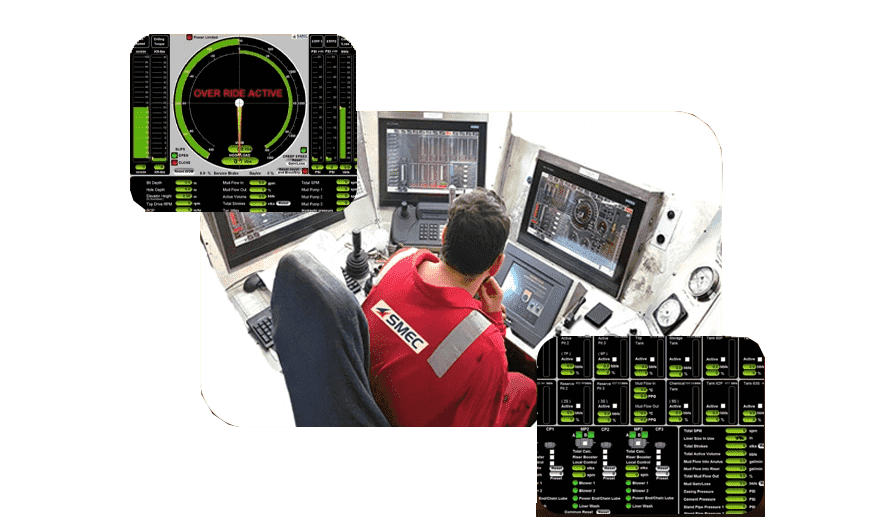
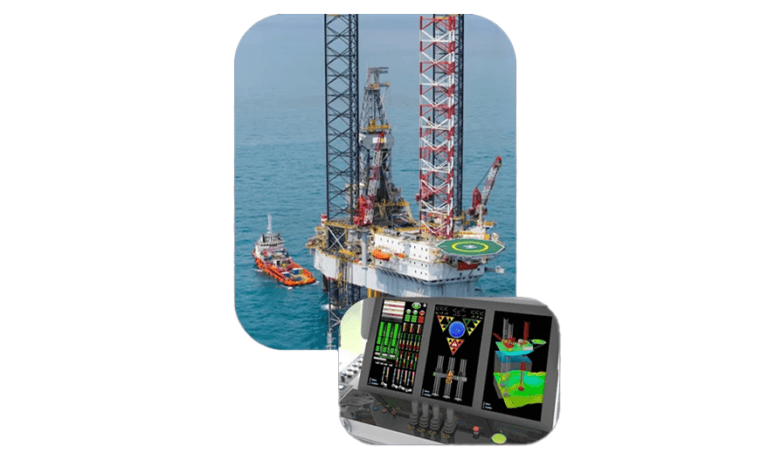
DMS3000 provides a configurable drilling-data view for rig personnel, bringing selected drilling, pit, machinery and process signals into operator displays. It can be applied as a full monitoring system or as a partial/total upgrade of an ageing drilling-monitoring installation.
01Overview
About the Drill Monitor System
High-end CPU and IO cards are used for processing the signals and its compact footprint allows easy integration into the existing processing cabinets. The solution includes the bespoke development of new intuitive SCADA software by in-house engineers, hosted by Powerful Ex Proof IPC's, a SCADA server and multiple clients are implemented as the visual interface with displays fitted within the existing drilling console arrangement, an ATEX compliant HMI display will be provided for the pit room.
The SCADA solution allowed for the flexibility required in the graphics generation, along with the responsive refresh/update times required to ensure that the rig driller has live drilling parameter data.
01Why SMEC?
- High performance Controller & remote IO Racks
- Multiple client PCs to serve Driller, Tool pusher and other users as required
- Multiple access level secure against unauthorized system modifications to drilling parameters
- Large format touch screens installed in a driller's console
- Tool pushers IPC operator station with desktop monitor
- Hazardous Area Touchscreen HMI for use on the pit room to monitor mud pits and trip tanks
- DMS3000 by SMEC offers a quick and cost-effective solution
- Total replacement of systems or a partial upgrade to their existing system
- Multiple configurable pages
02Pages available
- Drilling / Coring Screens
- Tripping / Casing Screens
- Well Control / Circulation Screens
- Weight Indicator Screens
- Pit Volume Screens
- Configurable Strip Chart Screens
- Drilling Maintenance Screens
- System Maintenance Screens
02Engineering detail
Engineering detail
Give the Driller the Data the Operation Actually Needs
The DMS3000 drilling monitoring system brings critical rig parameters into a usable operator view. Rather than adding another display, SMEC focuses on sensor availability, signal quality, alarm relevance and the practical needs of drillers and toolpushers.
Technical scope / product architecture
- Driller and toolpusher displays
- Pit-room HMI
- Configurable pages
- Selected drilling and machinery signals
- Alarm/trend views
- Partial or total upgrade
- Rig-to-office data visibility where architecture permits
What SMEC adds
Engineering, interface definition, panel/package build, software/configuration where applicable, FAT, site installation support, SAT/commissioning and lifecycle support.
How it works
Measurement chain — Drilling parameters may include hookload, weight on bit, rotary torque/speed, standpipe pressure, pump strokes, pit levels and other available rig signals.
Acquisition — Signal conditioning, PLC/DAQ interfaces, scaling, time stamps and sensor calibration determine whether the displayed data is trustworthy.
Operator views — Driller and toolpusher displays prioritise live values, limits, trends and alarms; page layouts should follow operating tasks rather than a fixed template.
Data handling — Historical records, export, remote visibility and alarm events can be configured where data ownership, network and storage are defined.
Key components
Hookload and weight-on-bit interfaces. Load measurement requires a verified mechanical load path, correctly sized sensor, signal conditioning and traceable calibration.
Standpipe pressure. The standpipe pressure is selected for the equipment, operating duty and site conditions.
Rotary speed/torque. The rotary speed/torque is selected for the equipment, operating duty and site conditions.
Mud pit and pump signals. The mud pit and pump signals is selected for the equipment, operating duty and site conditions.
Drilling parameter displays. The drilling parameter displays is selected for the equipment, operating duty and site conditions.
Alarms and trends. Alarm thresholds, priorities, delays and operator actions must be documented to avoid nuisance alarms and missed critical events.
Historical records. The historical records is selected for the equipment, operating duty and site conditions.
Rig-to-office interfaces where specified. The rig-to-office interfaces where specified is selected for the equipment, operating duty and site conditions.
Upgrades & retrofits
Reuse serviceable instruments while migrating legacy display and acquisition systems.
Add drilling measurements, trending and historical event retrieval.
Introduce approved rig-to-office data visibility without changing the driller’s control authority.
Retrofit scope depends on existing OEM interfaces, component condition, available space, shutdown windows and the approval basis of any safety-related functions.
Applications
- Land rigs
- Jack-ups
- Drilling retrofits
- Rig reactivation
Testing & documentation
Relevant IEC, ISO, API, classification-society, hazardous-area or functional-safety requirements must be selected according to the specific system and installation. Where applicable, the project package may include electrical drawings, GA layouts, datasheets, I/O schedules, cause-and-effect, communication lists, inspection records, FAT/SAT procedures, calibration records and as-built documents. No unverified compliance certification is claimed here.
03More from the range
Other SMEC systems
Every system is built to the rig it serves and integrated with the rest of the installation.
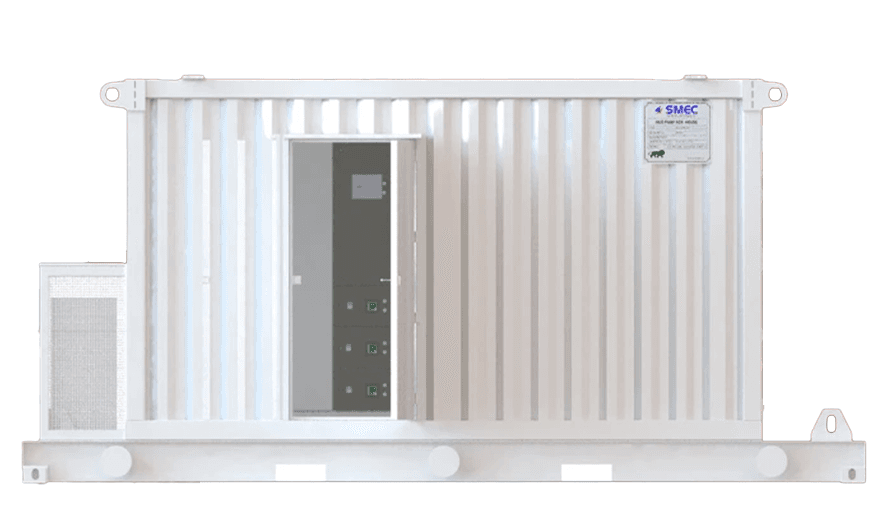 Power HousesPCR House | SCR House | VFD HouseKnow More
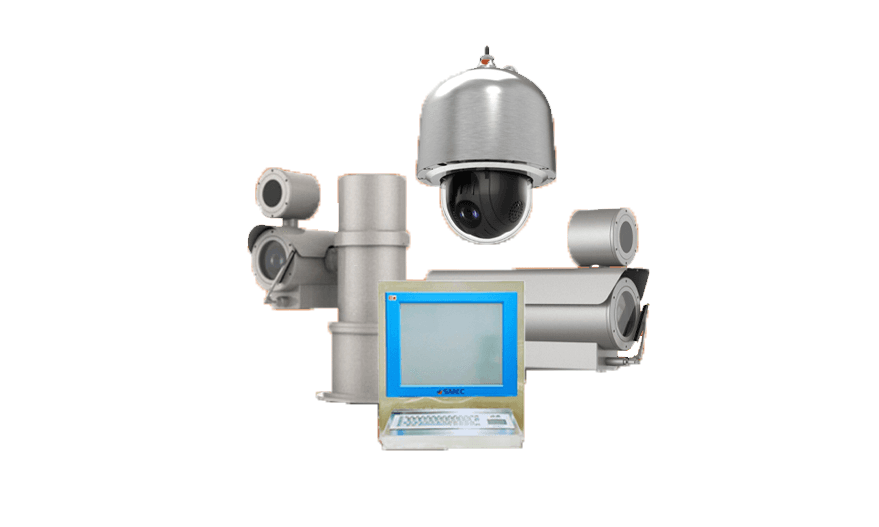 Advanced Perimeter Security SystemSecure Your Boundaries with SMEC's Advanced Perimeter Security System!Know More
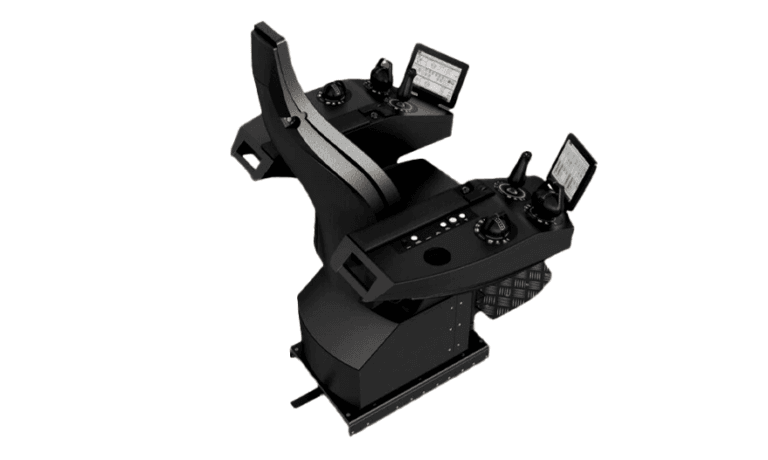 Integrated Drilling Control SystemElevate Your Drilling: Precision Meets Innovation with SMEC’s Integrated Control System!Know More
 RPD System Jacking Control SystemPrecision Control for Unmatched Performance!Know More
Common questions
Can DMS3000 Drilling Monitoring System be supplied for new build, retrofit or replacement?
The lifecycle route depends on the installed base, condition, interfaces, obsolescence and project requirements. SMEC can assess new-build, retrofit, repair or replacement scope where technically valid.
Can existing field wiring or interfaces be retained?
Possibly. Retention depends on survey findings, condition, ratings, compatibility, safety requirements, documentation and the cutover strategy.
What information is required for quotation?
Send the make/model or required specification, datasheets, drawings, ratings, interfaces, fault details where applicable, site location and required date or shutdown/mobilization window.
Can DMS3000 reuse existing field instruments?
Often yes, after checking signal types, calibration and interface compatibility.
Is DMS3000 suitable for partial upgrades?
The scope can be assessed as a new installation, partial modernisation or replacement.
What should an enquiry include?
Rig type, existing DMS/PLC, parameter list, console photographs and desired data outputs.
Related pages
Send the requirement
Send the available drawings, specification, make and model, site and required date. An engineer reviews the scope and replies.