
Product system
BOP Control System
Delivering spontaneous and precise systems for hassle-free operations
BOP control is a safety-critical well-control function. SMEC's website should position support around approved electrical/control, monitoring, panel, HMI and integration scope — and never imply certification or authority beyond the actual project package and applicable well-control requirements.
01Overview
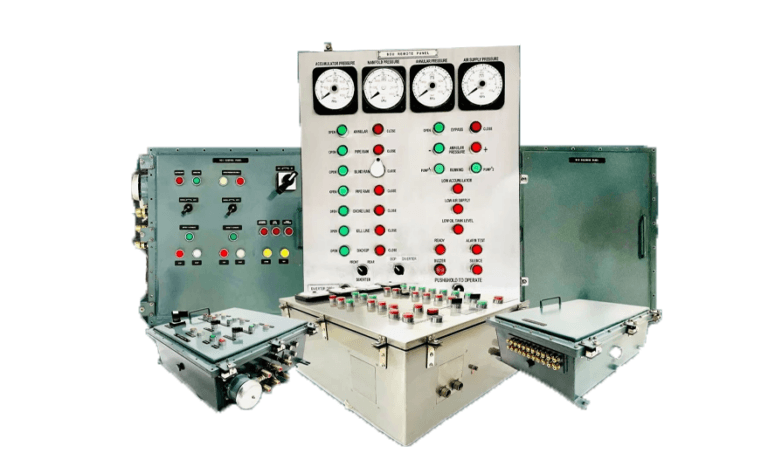
About the BOP Control System
01Why SMEC?
- PLC-based BOP control panels
- SMEC BOP control system is composed of ring topology networking and this will improve the system redundancy
- Electric and hydraulic lines
- Pump modules are electric motor-driven
- The accumulator module is designed in a way that it can occupy the hydraulic control manifold, electric pump, etc.
- Control pods and test valves
- Provide security against the cybersecurity threats
- HMI system which will be compatible with the existing control panels
02Engineering detail
Engineering detail
BOP Control Interfaces Designed Around Verified Well-Control Logic
BOP control is a safety-critical function. SMEC's engineering discussion should begin with the existing BOP equipment, applicable well-control requirements, control philosophy and test evidence—not generic claims of faster response or guaranteed safety.
BOP control is a safety-critical function. The engineering discussion should begin with the existing BOP equipment, applicable well-control requirements, control philosophy and test evidence—not generic claims of faster response or guaranteed safety.
Technical scope / product architecture
- Control-panel and HMI interfaces
- Accumulator/package monitoring interfaces
- Alarm/status indication
- PLC/electrical retrofit where approved
- Package-to-rig control interfaces
- FAT/SAT and documentation
What SMEC adds
Engineering, interface definition, panel/package build, software/configuration where applicable, FAT, site installation support, SAT/commissioning and lifecycle support.
How it works
Well-control interface — The BOP control package operates defined well-control functions through approved hydraulic/pneumatic and electrical interfaces.
Control stations — Local/remote stations, selector logic, status indication and diagnostics are mapped to the BOP OEM and well-control specification.
Redundancy and testing — Accumulator capacity, fail-safe behavior, testing and independent verification are safety-critical and cannot be assumed from PLC hardware alone.
Scope boundary — Control-panel modernisation must be distinguished from supply or recertification of the mechanical BOP stack.
Key components
Local and remote control panels. Panel layout, ingress protection, segregation, component selection and service clearance follow the installation environment, load schedule and maintenance requirements.
Hydraulic/pneumatic interfaces as specified. Hydraulic pressure, accumulator capacity, valve logic and instrument feedback must be checked against the equipment OEM documentation and approved safety functions.
Valve status feedback. Valve actuation and position feedback must follow the approved process control and fail-safe philosophy, including loss-of-power behaviour.
Pressure monitoring. The pressure monitoring is selected for the equipment, operating duty and site conditions.
Alarms. Alarm thresholds, priorities, delays and operator actions must be documented to avoid nuisance alarms and missed critical events.
Redundancy interfaces. The redundancy interfaces is selected for the equipment, operating duty and site conditions.
Event recording. The event recording is selected for the equipment, operating duty and site conditions.
Equipment diagnostics. The equipment diagnostics is selected for the equipment, operating duty and site conditions.
Upgrades & retrofits
Replace obsolete panel indication or approved interface components under well-control change management.
Improve alarm/event traceability where permitted by OEM and well-control specification.
Renew cabling, connectors or instrumentation with documented testing and approvals.
Retrofit scope depends on existing OEM interfaces, component condition, available space, shutdown windows and the approval basis of any safety-related functions.
Applications
- Land rigs
- Jack-ups
- Well-control upgrades
Testing & documentation
Relevant IEC, ISO, API, classification-society, hazardous-area or functional-safety requirements must be selected according to the specific system and installation. Where applicable, the project package may include electrical drawings, GA layouts, datasheets, I/O schedules, cause-and-effect, communication lists, inspection records, FAT/SAT procedures, calibration records and as-built documents. No unverified compliance certification is claimed here.
03More from the range
Other SMEC systems
Every system is built to the rig it serves and integrated with the rest of the installation.
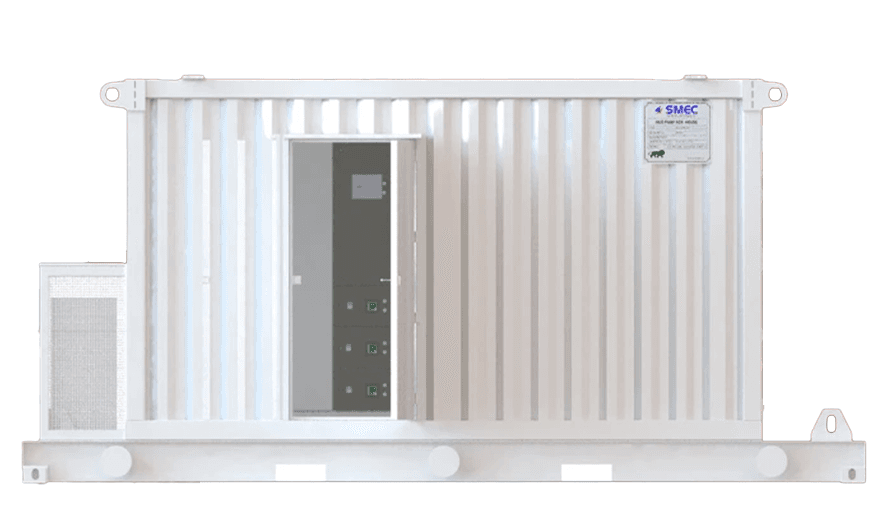 Power HousesPCR House | SCR House | VFD HouseKnow More
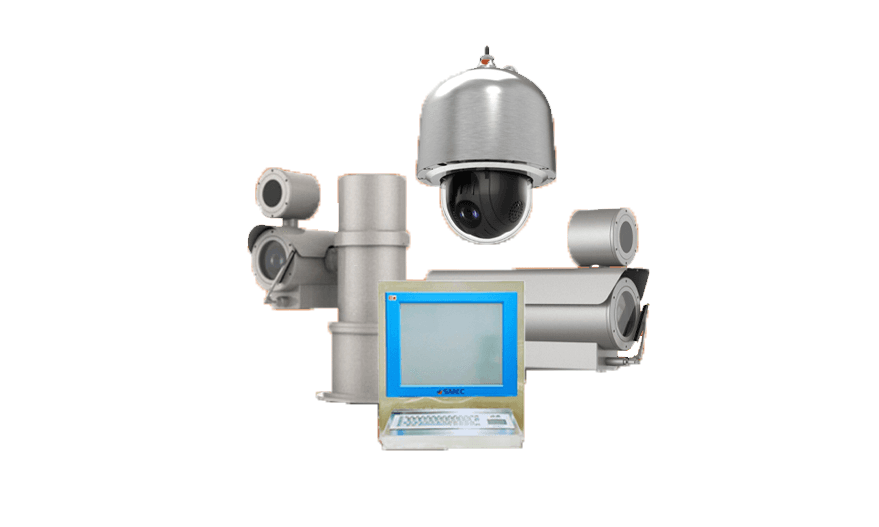 Advanced Perimeter Security SystemSecure Your Boundaries with SMEC's Advanced Perimeter Security System!Know More
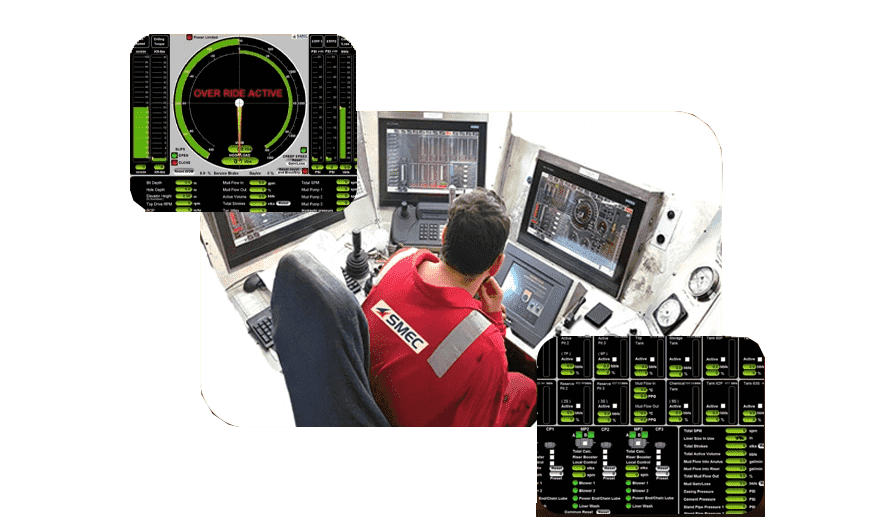 Drill Monitor SystemStay Alert, Stay Safe: Gas Watch Panel by SMECKnow More
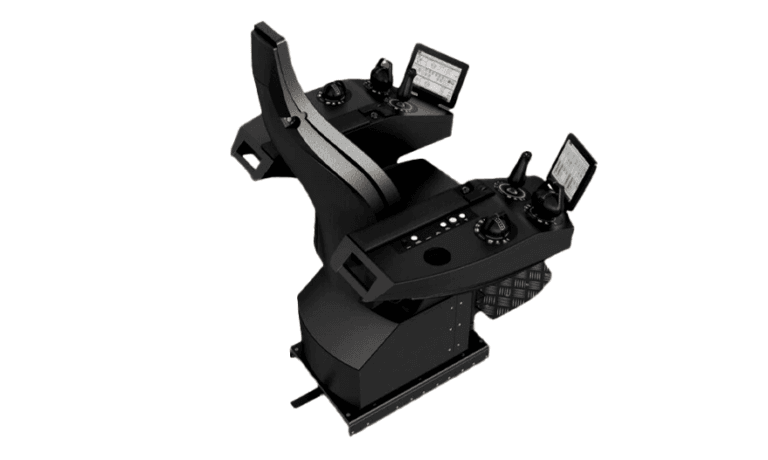 Integrated Drilling Control SystemElevate Your Drilling: Precision Meets Innovation with SMEC’s Integrated Control System!Know More
Common questions
Can BOP Control System Engineering be supplied for new build, retrofit or replacement?
The lifecycle route depends on the installed base, condition, interfaces, obsolescence and project requirements. SMEC can assess new-build, retrofit, repair or replacement scope where technically valid.
Can existing field wiring or interfaces be retained?
Possibly. Retention depends on survey findings, condition, ratings, compatibility, safety requirements, documentation and the cutover strategy.
What information is required for quotation?
Send the make/model or required specification, datasheets, drawings, ratings, interfaces, fault details where applicable, site location and required date or shutdown/mobilization window.
Can an existing BOP control panel be modernised?
Potentially, but only after a formal safety and OEM/interface assessment.
What documentation is needed?
BOP and hydraulic schematics, approved logic, cause-and-effect documents and test requirements.
Related pages
Send the requirement
Send the available drawings, specification, make and model, site and required date. An engineer reviews the scope and replies.