
Product system
Drilling Rig Power Houses
Delivering customized turnkey solutions for your power requirements
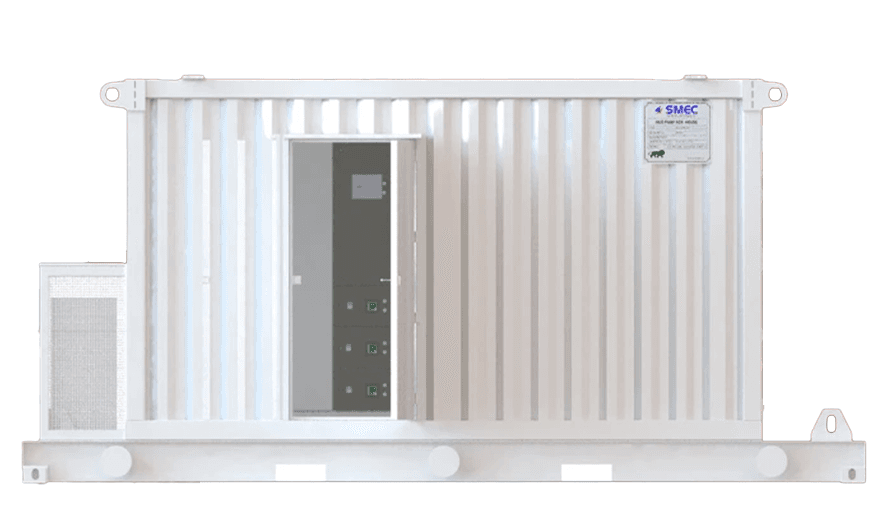
A rig Power House is a transportable, pre-wired power and control package designed around the rig's generation, distribution and drive architecture. SMEC can engineer new units, retrofit existing houses or replace obsolete electrical/control sections, with project-specific PMS, panels, drives, UPS/DC, controls, HVAC and monitoring.
01Overview
About the Power Houses
The Power panels can be transported to any location and SMEC makes sure that the panel is designed to support such characteristics of the specific rig such as skid mount, trailer mount, or even top lifted.
01Why SMEC?
- Cost effective solutions custom made to meet your requirements
- Integrate multiple systems as per your choice
- No compromise in quality and standards
- Swift generator controls with automatic operations and load sharing
- Fully automated system with integrated IoT features
- Different mounts for transportation
- Easy to assemble and start operation
- Perfect HVAC systems to manage heat load
- Retractable entries and openings as per size and requirement
- Safety and security features for secure operation
02Engineering detail
Engineering detail
Packaged Power Houses Built Around the Entire Electrical System
Power houses consolidate electrical distribution, conversion and control into a coordinated, maintainable package. SMEC's engineering scope can integrate incoming power, switchgear, transformers, protection, DC systems and auxiliary services based on the project requirement.
Technical scope / product architecture
- PCR/SCR/VFD architecture as project-defined
- Generator and PMS interfaces
- Switchboards/MCC/distribution
- UPS/DC and battery systems
- PLC/HMI and remote monitoring interfaces
- Skid/trailer/top-lift transport engineering
- FAT, delivery, installation and commissioning
What SMEC adds
Engineering, interface definition, panel/package build, software/configuration where applicable, FAT, site installation support, SAT/commissioning and lifecycle support.
How it works
Power distribution — Incoming feeders, transformer capacity, MV/LV switchgear, PCC/MCC, outgoing loads and protection relays form a coordinated electrical distribution system.
Protection — Short-circuit withstand, selectivity, earthing, fault clearing and arc-flash considerations are established from system studies.
Auxiliary systems — UPS/DC power, battery autonomy, lighting, HVAC, metering and fire detection are coordinated with critical load requirements.
Plant integration — Power management, remote indication, breaker controls and maintenance access are designed around the actual operating philosophy.
Key components
Incoming MV/LV distribution. The incoming mv/lv distribution is selected for the equipment, operating duty and site conditions.
Transformers. Transformer impedance, winding arrangement, cooling, insulation class and protection must suit the upstream fault level and downstream conversion equipment.
Protection relays. Protection settings, trip contacts and fault discrimination must coordinate with upstream and downstream equipment and be demonstrated during testing.
MCC/PCC. The mcc/pcc is selected for the equipment, operating duty and site conditions.
UPS and DC supply. UPS/DC autonomy is selected from critical load demand and required ride-through duration; battery maintenance and alarm contacts must be considered.
Metering. The metering is selected for the equipment, operating duty and site conditions.
Earthing. Protective earthing, bonding, power/control cable segregation and shield termination reduce shock risk and electrical interference.
HVAC. The hvac is selected for the equipment, operating duty and site conditions.
Fire detection and access control. Fire and gas functions must follow the detector schedule, hazard assessment, cause-and-effect and defined response of alarms and shutdown interfaces.
Upgrades & retrofits
Extend feeders or MCC bays following load-flow and short-circuit studies.
Upgrade protection relays, UPS/DC supply and remote metering.
Replace ageing switchgear in planned stages to limit site disruption.
Retrofit scope depends on existing OEM interfaces, component condition, available space, shutdown windows and the approval basis of any safety-related functions.
Applications
- Oilfields
- Production facilities
- EPC packages
- Offshore installations
Testing & documentation
Relevant IEC, ISO, API, classification-society, hazardous-area or functional-safety requirements must be selected according to the specific system and installation. Where applicable, the project package may include electrical drawings, GA layouts, datasheets, I/O schedules, cause-and-effect, communication lists, inspection records, FAT/SAT procedures, calibration records and as-built documents. No unverified compliance certification is claimed here.
03More from the range
Other SMEC systems
Every system is built to the rig it serves and integrated with the rest of the installation.
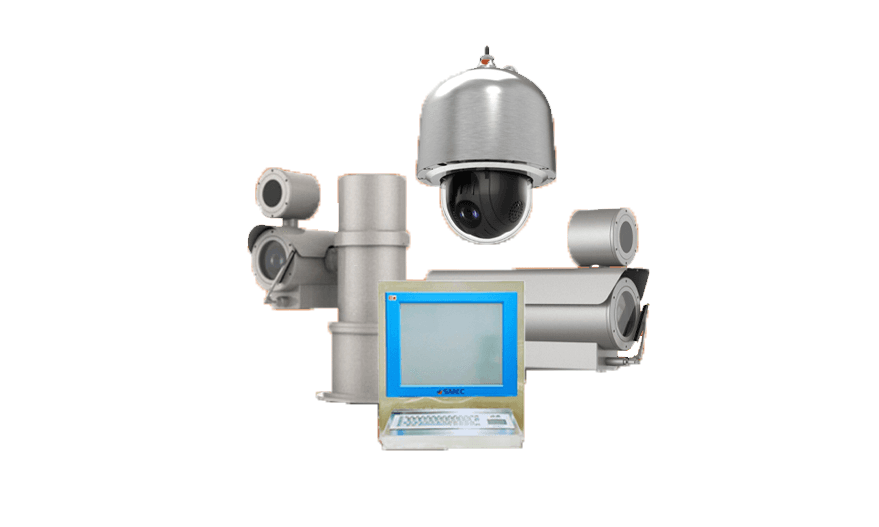 Advanced Perimeter Security SystemSecure Your Boundaries with SMEC's Advanced Perimeter Security System!Know More
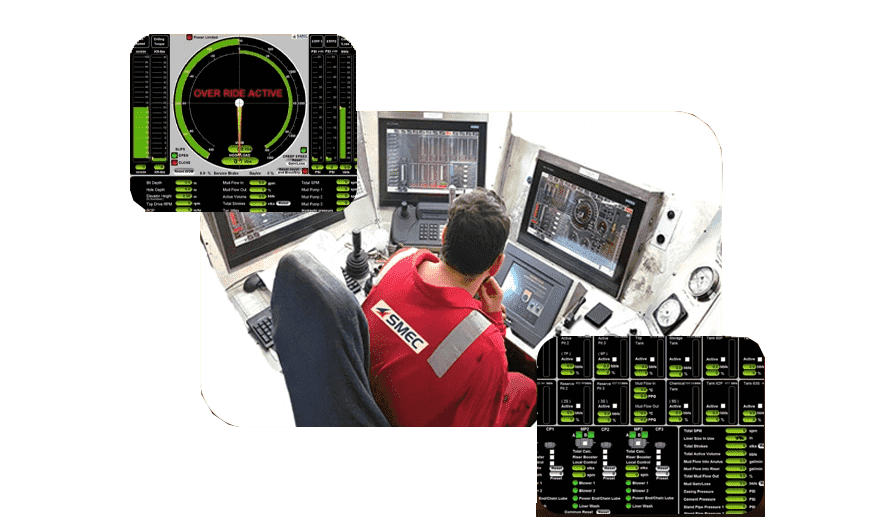 Drill Monitor SystemStay Alert, Stay Safe: Gas Watch Panel by SMECKnow More
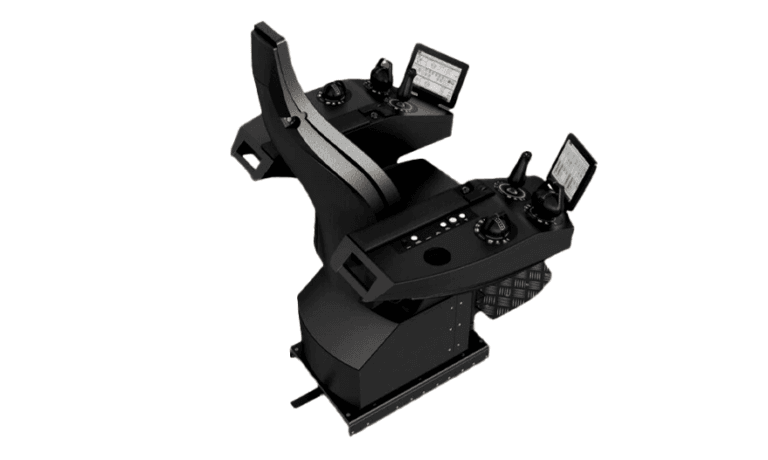 Integrated Drilling Control SystemElevate Your Drilling: Precision Meets Innovation with SMEC’s Integrated Control System!Know More
 RPD System Jacking Control SystemPrecision Control for Unmatched Performance!Know More
Common questions
Can Power House for Drilling Rigs be supplied for new build, retrofit or replacement?
The lifecycle route depends on the installed base, condition, interfaces, obsolescence and project requirements. SMEC can assess new-build, retrofit, repair or replacement scope where technically valid.
Can existing field wiring or interfaces be retained?
Possibly. Retention depends on survey findings, condition, ratings, compatibility, safety requirements, documentation and the cutover strategy.
What information is required for quotation?
Send the make/model or required specification, datasheets, drawings, ratings, interfaces, fault details where applicable, site location and required date or shutdown/mobilization window.
What is included in a power house?
The package is configured to the load list and can include distribution, conversion, control, auxiliaries and enclosure systems.
Can power houses be designed for remote desert sites?
Yes, with ambient temperature, dust, ventilation and service access considered in design.
What is the difference between a power house and an E-House?
The terms overlap; a power house emphasises power functions, while E-House commonly refers to the modular electrical building/package.
Related pages
Send the requirement
Send the available drawings, specification, make and model, site and required date. An engineer reviews the scope and replies.