
Product system
Gas Watch Drilling Mud Gas Detection System
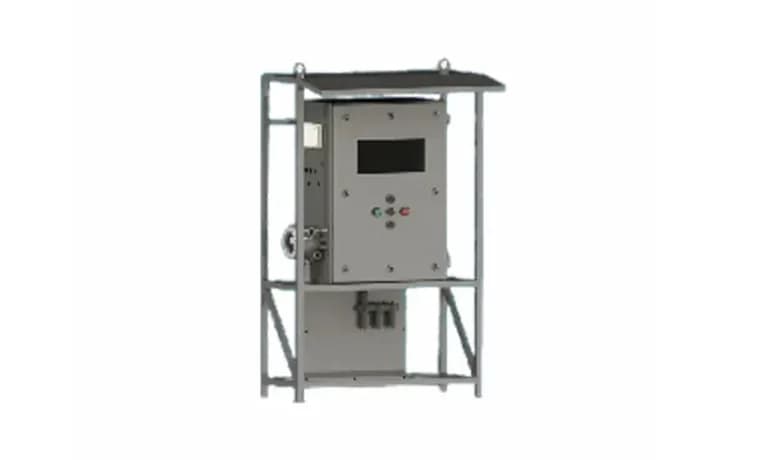
Gas Watch is a drilling-mud gas detection chain, not simply a standalone detector. Gas released from returning drilling mud is extracted at the mud-flow point, transported as a conditioned sample, measured for total gas and H2S, and converted into local alarms and analogue/digital outputs for drilling or supervisory systems.
01Overview
About the Gas Watch Panel
Certifications
- Sensors
- ATEX Class 1
- Purge System
- Atex Zone 1 / Zone 2
01Why SMEC?
- Cost effective solutions custom made to meet your requirements
- Integrate multiple systems as per your choice
- Modern Digital Design
- Easy to assemble and start operation
- Safety and security features for secure operation
02Improved operational safety
- IECEX, Atex certification meets the certification needs in virtually every location
- Accurate and consistent gas readings are critical in evaluating potential problems
- H2S extracted from the mud delivers the earliest warning of potential hazards
- Safety Isolators
03Flexible installation and connectivity
- 4-20mA analogue outputs for standard sensor data and system status
- Optional Data Connectivity
04Highly reliable
- Sample flow control for consistent sample readings
- Agitator maintains consistent gas extraction
- Digital controller-based System with advanced processor
05Low maintenance
- Automatic sample line blockage clearing
- Electrochemical H2S sensor
- Remote Connectivity Option
- Infrared sensor for Total Gas
02Engineering detail
Engineering detail
Gas Watch: Bring Drilling Gas Conditions into Clear View
Mud-gas monitoring supports early awareness of gas conditions in the drilling process. A useful Gas Watch package combines suitable detection, sample handling or sensor installation, alarm logic and reliable communication to the drilling team.
Technical scope / product architecture
- Measurement chain: drilling mud → floating gas trap → gas extraction → sample transport → total-gas/H2S detection → controller → alarms/outputs
- IR total-gas measurement architecture
- H2S detection
- Local alarm/control panel
- Analogue and digital outputs
- SS316L/hazardous-area enclosure options subject to approved datasheet
- ATEX/IECEx/SIL statements only after engineering/document reconciliation
What SMEC adds
Engineering, interface definition, panel/package build, software/configuration where applicable, FAT, site installation support, SAT/commissioning and lifecycle support.
How it works
Detection — Total gas and H2S detection may be included depending on the drilling process and selected detector technology.
Field arrangement — Sampling lines, extraction, sensor location and response time can dominate system performance.
Alarm interface — Local annunciation, analogue outputs, alarm contacts and DMS/PLC integration are configured around the alarm philosophy.
Hazardous areas — Detector and panel certification, cable glands, enclosures and calibration provisions must match the installation zone.
Key components
Total gas and H2S detection options. The total gas and h2s detection options is selected for the equipment, operating duty and site conditions.
Local alarm panel. Alarm thresholds, priorities, delays and operator actions must be documented to avoid nuisance alarms and missed critical events.
Analogue/digital outputs. The analogue/digital outputs is selected for the equipment, operating duty and site conditions.
Detector health. The detector health is selected for the equipment, operating duty and site conditions.
Alarm history. Alarm thresholds, priorities, delays and operator actions must be documented to avoid nuisance alarms and missed critical events.
PLC/DMS integration. The plc/dms integration is selected for the equipment, operating duty and site conditions.
Hazardous-area equipment as specified. The hazardous-area equipment as specified is selected for the equipment, operating duty and site conditions.
Upgrades & retrofits
Replace ageing detectors or gas analyser modules after compatibility review.
Extend H2S/total-gas alarm channels and integrate with DMS where required.
Modernise local annunciation, calibration access and alarm event records.
Applications
- Land rigs
- Offshore rigs
- Mud logging
- Rig safety
Testing & documentation
Relevant IEC, ISO, API, classification-society, hazardous-area or functional-safety requirements must be selected according to the specific system and installation. Where applicable, the project package may include electrical drawings, GA layouts, datasheets, I/O schedules, cause-and-effect, communication lists, inspection records, FAT/SAT procedures, calibration records and as-built documents. No unverified compliance certification is claimed here.
03More from the range
Other SMEC systems
Every system is built to the rig it serves and integrated with the rest of the installation.
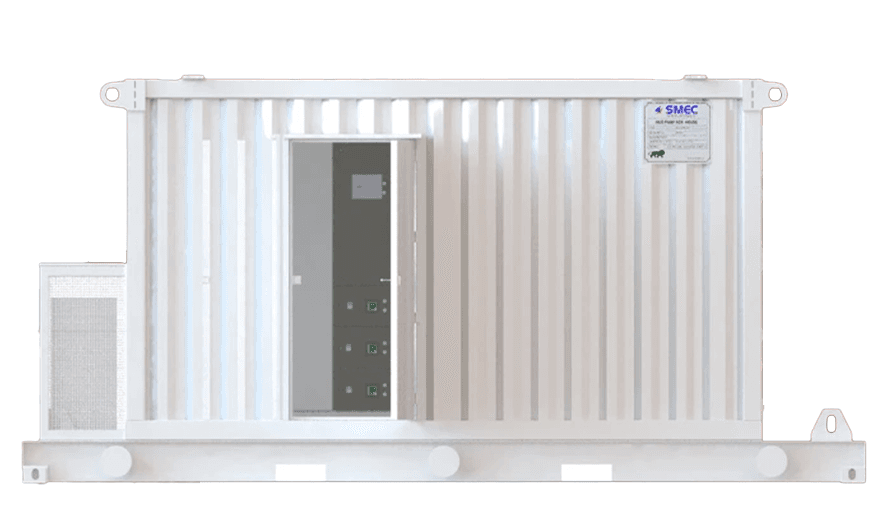 Power HousesPCR House | SCR House | VFD HouseKnow More
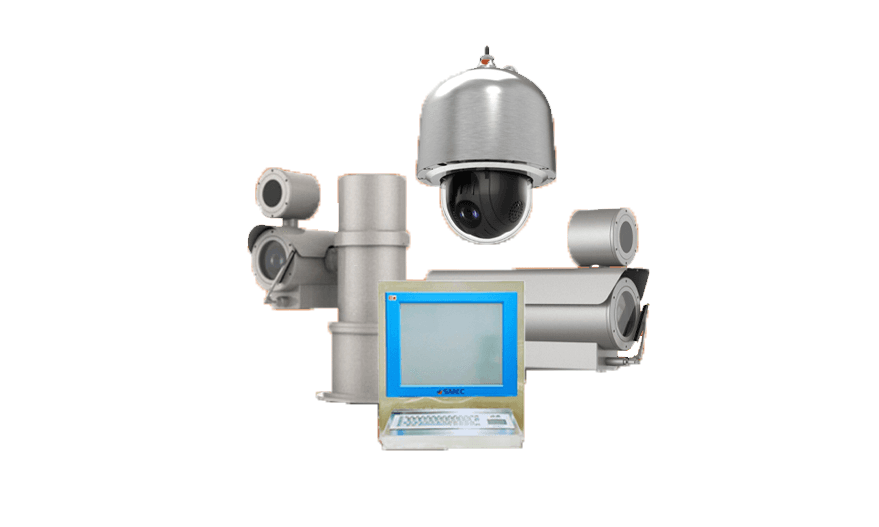 Advanced Perimeter Security SystemSecure Your Boundaries with SMEC's Advanced Perimeter Security System!Know More
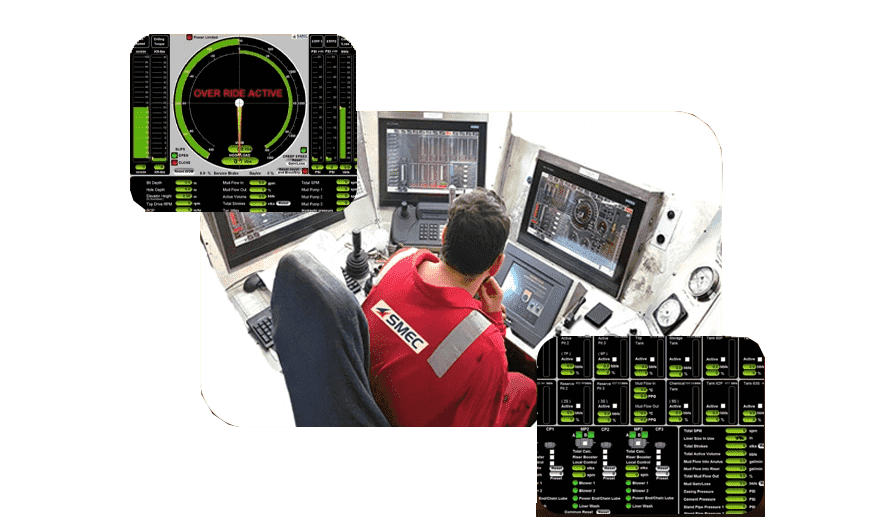 Drill Monitor SystemStay Alert, Stay Safe: Gas Watch Panel by SMECKnow More
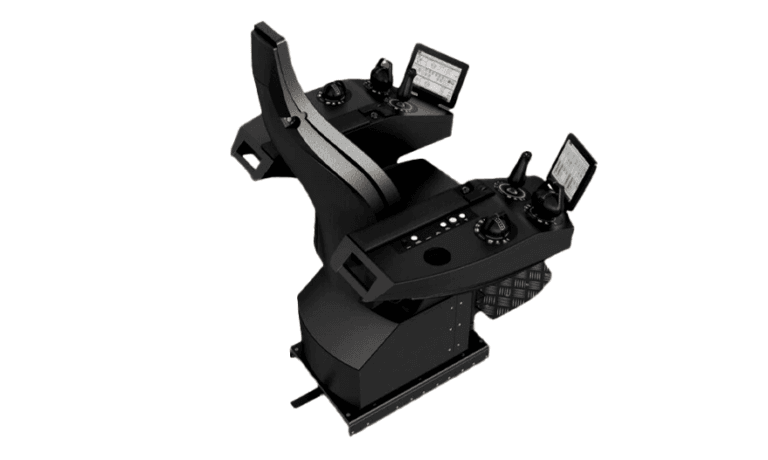 Integrated Drilling Control SystemElevate Your Drilling: Precision Meets Innovation with SMEC’s Integrated Control System!Know More
Common questions
Can Drilling Mud Gas Detection | Gas Watch be supplied for new build, retrofit or replacement?
The lifecycle route depends on the installed base, condition, interfaces, obsolescence and project requirements. SMEC can assess new-build, retrofit, repair or replacement scope where technically valid.
Can existing field wiring or interfaces be retained?
Possibly. Retention depends on survey findings, condition, ratings, compatibility, safety requirements, documentation and the cutover strategy.
What information is required for quotation?
Send the make/model or required specification, datasheets, drawings, ratings, interfaces, fault details where applicable, site location and required date or shutdown/mobilization window.
Is Gas Watch the same as a general refinery gas detector?
No; drilling mud-gas applications and fixed-area gas detection have different measurement arrangements.
Can alarms be integrated into DMS or rig PLC?
Yes, subject to approved interfaces and alarm ownership.
What details are required for an RFQ?
Gas type, range, number of points, hazardous-area classification and required outputs.
Related pages
Send the requirement
Send the available drawings, specification, make and model, site and required date. An engineer reviews the scope and replies.