
Product system
Load Monitoring System
Precise monitoring and controlling for jack-up rigs
Load monitoring gives operators a structured view of project-defined leg, machinery or structural load signals during critical operations. SMEC can engineer sensing interfaces, signal conditioning, displays, alarms, trends and integration with jacking or supervisory systems.
Readout
- Monitored
- Hook load, operating radius and duty
- Units
- Tonne, lbs, feet, meters
- Platforms
- Windows and Android
01Overview
About the Load Monitoring System
The tension on lines and hooks are displayed in real time in a software. It also delivers an alarm with display indication and sound to warn the operators in case of loads and of any dangerous imbalance. A protective casing for the safety of the touch panel is also provided.
Readout
- Monitored
- Hook load, operating radius and duty
- Units
- Tonne, lbs, feet, meters
- Platforms
- Windows and Android
01Why SMEC?
- Simple interface
- Precise indication
- Angle inclination
- Touch pad that is portable
- Safety casing
- Overturning / tipping
- Additional communication ports
- Windows and Android platform available
- Graphical representation
- Modification based on customer requirements
02Engineering detail
Engineering detail
Load Monitoring That Turns Force into an Actionable Signal
Load monitoring is useful only when measurement, calibration and operator response are defined together. SMEC's scope can integrate load cells or existing instrumentation with displays, alarms and machinery-control interfaces.
Technical scope / product architecture
- Load-signal acquisition
- Signal conditioning
- HMI/display
- Alarm thresholds
- Trend/history
- Jacking/control integration
What SMEC adds
Engineering, interface definition, panel/package build, software/configuration where applicable, FAT, site installation support, SAT/commissioning and lifecycle support.
How it works
Sensing — Load cells, strain-based sensors or existing transducers measure defined mechanical loads where properly installed and calibrated.
Signal processing — Excitation, signal conditioning, noise control and analogue/digital conversion affect measurement accuracy.
Operator information — Displays, trends and configurable alarms present load information to operators or machinery controllers.
Limits — Calibration uncertainty, mechanical load path and overload protection must be assessed before using readings in a protective function.
Key components
Load cells and sensor interfaces. Sensor technology, range, accuracy, location and calibration interval are selected from the physical variable and operating environment.
Analogue/digital acquisition. The analogue/digital acquisition is selected for the equipment, operating duty and site conditions.
Local indicators. The local indicators is selected for the equipment, operating duty and site conditions.
HMI trends. The hmi trends is selected for the equipment, operating duty and site conditions.
Alarm thresholds. Alarm thresholds, priorities, delays and operator actions must be documented to avoid nuisance alarms and missed critical events.
Data logging. The data logging is selected for the equipment, operating duty and site conditions.
PLC/DMS integration. The plc/dms integration is selected for the equipment, operating duty and site conditions.
Calibration interfaces. The calibration interfaces is selected for the equipment, operating duty and site conditions.
Upgrades & retrofits
Replace load sensors and re-establish traceable calibration.
Add remote indication, trends and event logging.
Integrate additional load points with existing PLC/DMS interfaces.
Retrofit scope depends on existing OEM interfaces, component condition, available space, shutdown windows and the approval basis of any safety-related functions.
Applications
- Jacking equipment
- Drilling machinery
- Lifting systems
- Bulk weight monitoring
Testing & documentation
Relevant IEC, ISO, API, classification-society, hazardous-area or functional-safety requirements must be selected according to the specific system and installation. Where applicable, the project package may include electrical drawings, GA layouts, datasheets, I/O schedules, cause-and-effect, communication lists, inspection records, FAT/SAT procedures, calibration records and as-built documents. No unverified compliance certification is claimed here.
03More from the range
Other SMEC systems
Every system is built to the rig it serves and integrated with the rest of the installation.
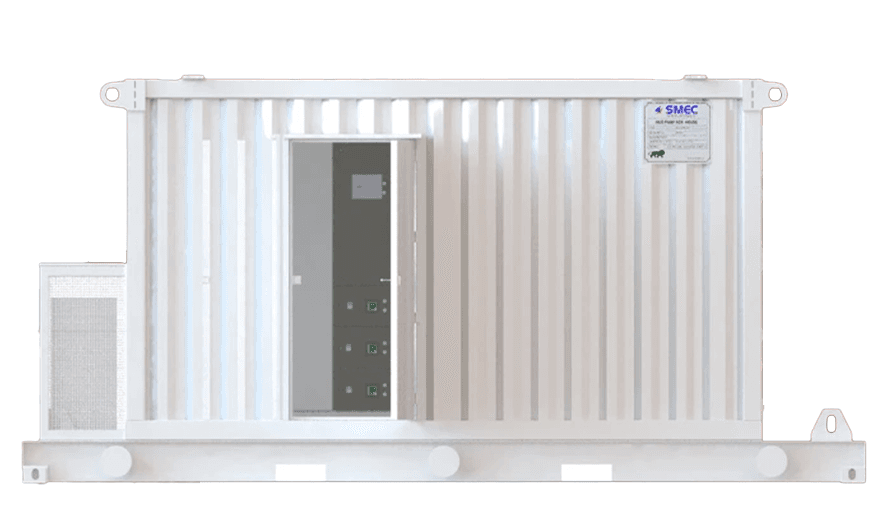 Power HousesPCR House | SCR House | VFD HouseKnow More
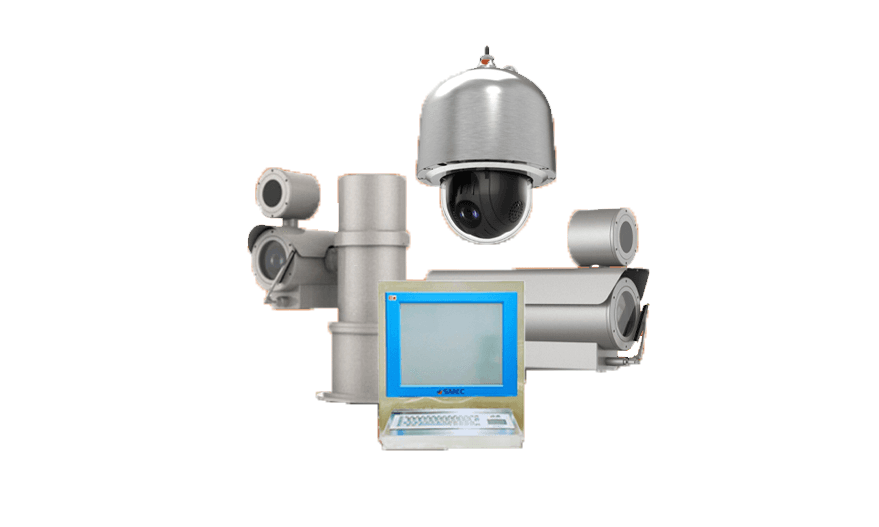 Advanced Perimeter Security SystemSecure Your Boundaries with SMEC's Advanced Perimeter Security System!Know More
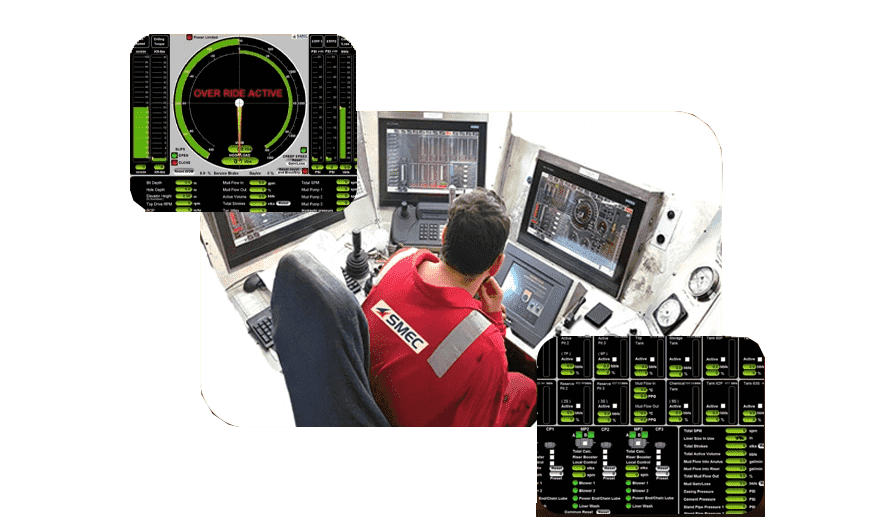 Drill Monitor SystemStay Alert, Stay Safe: Gas Watch Panel by SMECKnow More
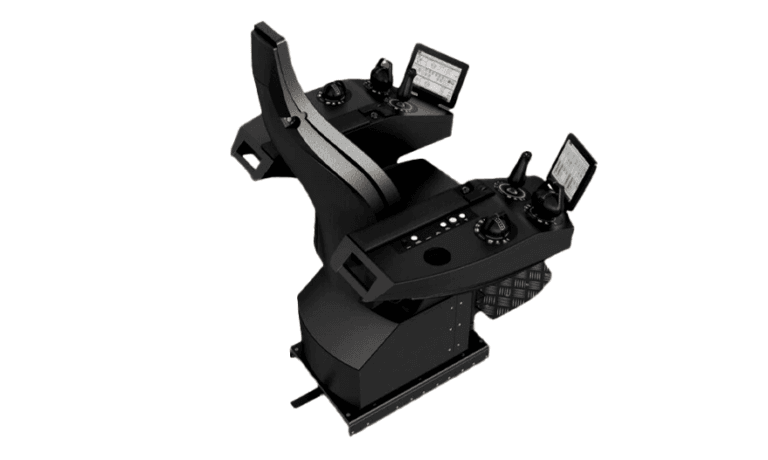 Integrated Drilling Control SystemElevate Your Drilling: Precision Meets Innovation with SMEC’s Integrated Control System!Know More
Common questions
Can Jack-Up Rig Load Monitoring System be supplied for new build, retrofit or replacement?
The lifecycle route depends on the installed base, condition, interfaces, obsolescence and project requirements. SMEC can assess new-build, retrofit, repair or replacement scope where technically valid.
Can existing field wiring or interfaces be retained?
Possibly. Retention depends on survey findings, condition, ratings, compatibility, safety requirements, documentation and the cutover strategy.
What information is required for quotation?
Send the make/model or required specification, datasheets, drawings, ratings, interfaces, fault details where applicable, site location and required date or shutdown/mobilization window.
Can load monitoring connect to an existing PLC?
Yes, where signal type, scan rate and interface capacity are suitable.
What determines sensor selection?
Load range, installation geometry, accuracy, environment and calibration access.
Can load monitoring replace lifting certification?
No. Monitoring complements, but does not replace, required equipment inspection or certification.
Related pages
Send the requirement
Send the available drawings, specification, make and model, site and required date. An engineer reviews the scope and replies.