
Product system
SCR Houses for Drilling Rigs
Delivering customized turnkey solutions for your power requirements
SCR Houses remain important on many legacy drilling fleets. SMEC supports new-build, repair and modernization scope around SCR drive sections, control electronics, power distribution, cooling, PLC/HMI interfaces and replacement planning where original components are obsolete.
01Overview
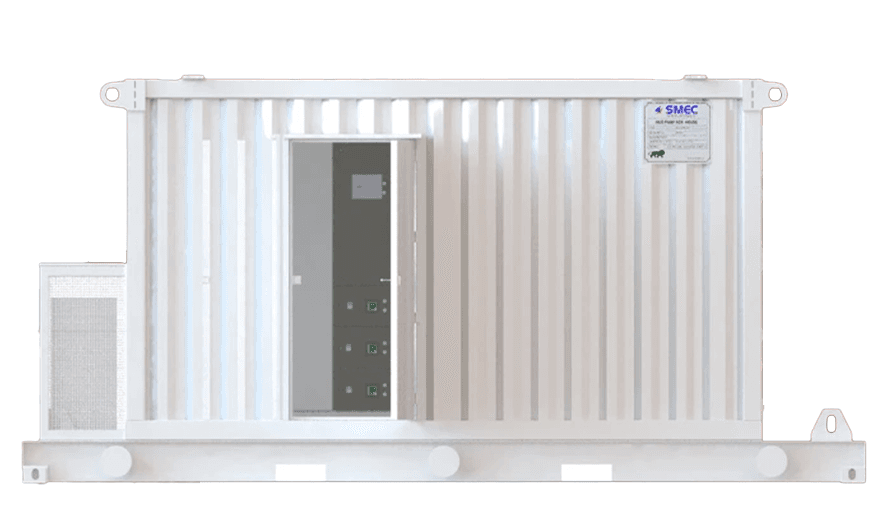
About the SCR Houses
Functional components such as motor control centers, engine and generator controls, SCR control cubicles and other instruments that support the system are present in SCR House / System. The system operates within the range of 600 V to 1200 V DC.
State-of-the-art control systems developed by us are based on the established and well proven technology and designs with respect to modern hybrid / digital technology.
Operating range
- System voltage
- 600 V to 1200 V DC
01Why SMEC?
- Cost effective solutions custom made to meet your requirements
- Integrate multiple systems as per your choice
- Modern digital design
- Swift generator controls with automatic operations and load sharing
- Efficient energy consumption due to high power
- Precise speed regulation over a wider speed range
- Full torque at zero speed
- Regenerative braking for safe and efficient control of drawworks
- For construction of walls, ceilings and under skid we have various materials and combinations to choose from to meet site requirements
- Different mounts for transportation
- Easy to assemble and start operation
- Perfect HVAC systems to manage heat load
- Retractable entries and openings as per size and requirement
- Safety and security features for secure operation
- Starter panels, MCC panels, diodes, power management units etc. up to any rating as per the safety standards
02Engineering detail
Engineering detail
SCR Houses for Drilling Power That Cannot Afford an Unplanned Stop
An SCR house is more than a shelter for power electronics. It is the interface between rig generation, DC drive loads, protection and the drilling sequence. SMEC engineers SCR power packages around the existing electrical architecture and the practical realities of offshore and onshore rigs.
Technical scope / product architecture
- SCR power sections and controls
- Transformer/rectifier interfaces as project-defined
- DC drive output interfaces
- Cooling/ventilation
- PLC/HMI modernization
- Protection and interlocks
- Obsolescence assessment and staged retrofit
What SMEC adds
Engineering, interface definition, panel/package build, software/configuration where applicable, FAT, site installation support, SAT/commissioning and lifecycle support.
How it works
Incoming power and conversion — Incoming AC distribution, transformer secondaries and controlled six-pulse or multi-pulse thyristor bridges must be coordinated with generator fault levels and rig load steps. Bridge topology and any harmonic mitigation follow the electrical study.
DC output and motors — SCR output can be configured for DC drive applications, including 600–1,200 V DC arrangements. Output voltage, armature current, field supply and braking are matched to the connected motors and drilling duty.
Controls and protection — Firing-angle control, current limits, bridge cooling, DC contactors, protective interlocks and drive permissives interface with drawworks, mud pumps and other DC drives. Regeneration or dynamic braking depends on the complete drive and power-system topology.
Enclosure and utilities — MCC feeders, engine/generator controls, ventilation, cable routing, segregation, earthing, maintenance access and transport mounts are specified together.
Key components
Generator and transformer interface. The generator connection must accommodate voltage/frequency variation, transient load steps, breaker status and coordinated protection. Interface signals should be identified in the single-line diagram and I/O schedule.
Rectifier bridges and firing control. Controlled thyristor bridges regulate DC output through firing-angle control; bridge grouping, cooling, semiconductor protection and feedback must match the motor duty.
DC bus and drive feeders. DC distribution, isolation and feeder protection must be sized for continuous current, peak demand and fault-clearing requirements, with safe maintenance isolation.
Current and voltage feedback. Current and voltage transducers support closed-loop regulation, overload limitation, fault detection and calibrated operator indication.
Cooling and ventilation. Ventilation and HVAC must remove the heat produced by power electronics and auxiliaries at the specified site ambient; loss-of-cooling alarms and interlocks should be included.
Protective interlocks. Permissives and trips prevent unsafe sequencing, such as enabling a drive without cooling, lubrication, breaker readiness or the required machinery state.
PLC/HMI alarms. PLC/HMI functions present status, operating modes, permissives, faults and event history. Commands and safety-related shutdown functions must remain correctly separated.
Earthing and cable segregation. Protective earthing, bonding, power/control cable segregation and shield termination reduce shock risk and electrical interference.
Upgrades & retrofits
Retain the enclosure and replace obsolete SCR firing cards, bridges or DC contactors after a thermal and insulation survey.
Modernise generator interfaces, alarm logic and HMI while preserving verified motor protection.
Assess an SCR-to-VFD conversion only alongside motor replacement, braking duty, harmonics and generator capacity.
Retrofit scope depends on existing OEM interfaces, component condition, available space, shutdown windows and the approval basis of any safety-related functions.
Applications
- Land rigs
- Jack-ups
- Offshore drilling rigs
- SCR house refurbishment
Testing & documentation
Relevant IEC, ISO, API, classification-society, hazardous-area or functional-safety requirements must be selected according to the specific system and installation. Where applicable, the project package may include electrical drawings, GA layouts, datasheets, I/O schedules, cause-and-effect, communication lists, inspection records, FAT/SAT procedures, calibration records and as-built documents. No unverified compliance certification is claimed here.
03More from the range
Other SMEC systems
Every system is built to the rig it serves and integrated with the rest of the installation.
- Power HousesPCR House | SCR House | VFD HouseKnow More
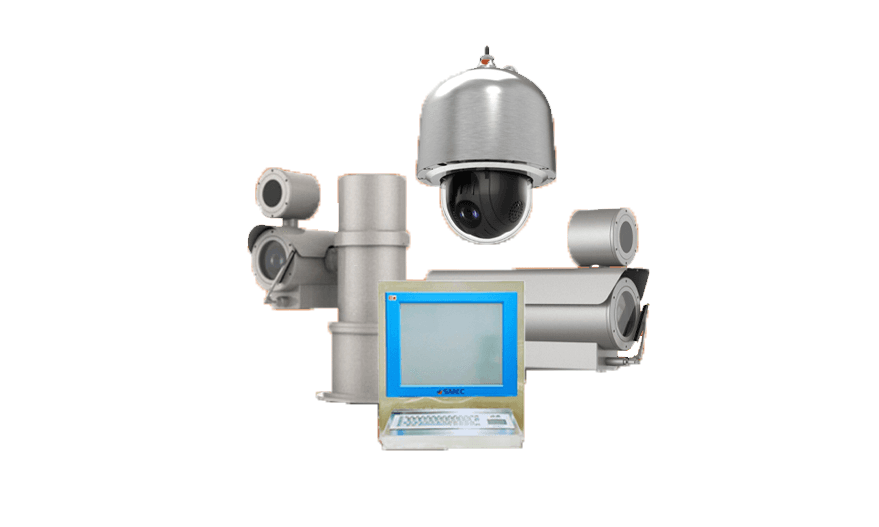 Advanced Perimeter Security SystemSecure Your Boundaries with SMEC's Advanced Perimeter Security System!Know More
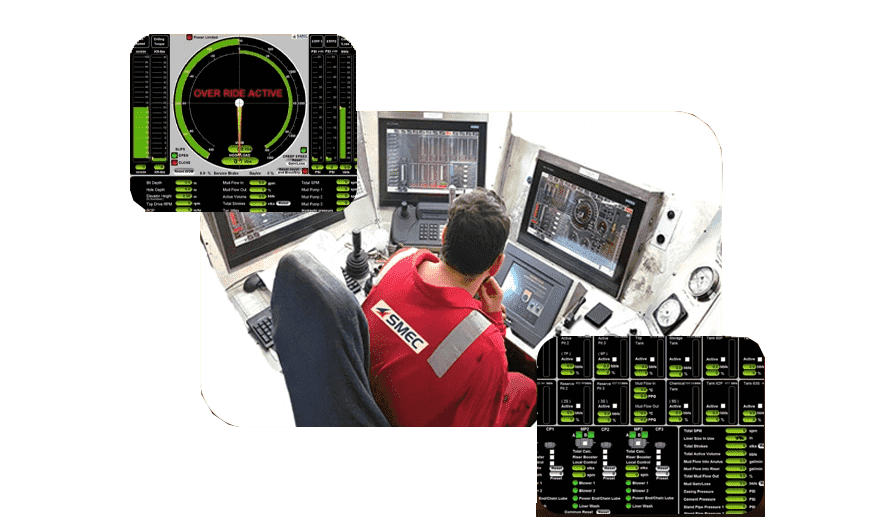 Drill Monitor SystemStay Alert, Stay Safe: Gas Watch Panel by SMECKnow More
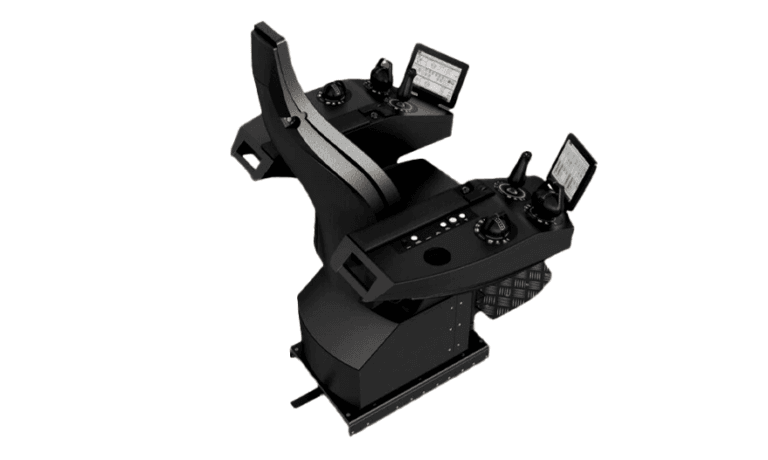 Integrated Drilling Control SystemElevate Your Drilling: Precision Meets Innovation with SMEC’s Integrated Control System!Know More
Common questions
Can SCR Houses for Drilling Rigs be supplied for new build, retrofit or replacement?
The lifecycle route depends on the installed base, condition, interfaces, obsolescence and project requirements. SMEC can assess new-build, retrofit, repair or replacement scope where technically valid.
Can existing field wiring or interfaces be retained?
Possibly. Retention depends on survey findings, condition, ratings, compatibility, safety requirements, documentation and the cutover strategy.
What information is required for quotation?
Send the make/model or required specification, datasheets, drawings, ratings, interfaces, fault details where applicable, site location and required date or shutdown/mobilization window.
Can an existing SCR house be upgraded without replacing the entire enclosure?
Often the enclosure and some auxiliaries can be retained after condition, space, cooling and compliance review.
What information is needed for an SCR house RFQ?
Single-line diagram, generator details, motor loads, existing SCR details, drawings, operating voltage and site constraints.
Is an SCR house the same as a VFD house?
No. SCR houses commonly supply controlled DC drive systems; VFD houses typically control AC motors.
Related pages
Send the requirement
Send the available drawings, specification, make and model, site and required date. An engineer reviews the scope and replies.